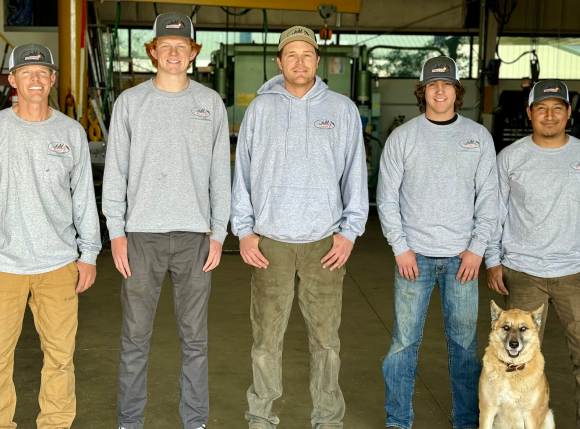





Custom homes on the Central Coast are rarely “standard.” Large open floor plans, long-span openings, cantilevered features, oversized glass walls, covered patios, hillside conditions, and modern architectural details often need more support than conventional framing alone can provide. That is where a properly planned structural steel package becomes essential.

For builders, general contractors, owner-builders, and architects in Paso Robles, Atascadero, Templeton, San Luis Obispo, and surrounding communities, structural steel is often the piece that makes the design possible—but it can also become the piece that slows the project down if coordination is weak. Beams, columns, embeds, connection details, crane access, inspection timing, and fabrication schedules all need to line up.
At J&M Welding, we work with contractors and property owners on custom structural steel fabrication, installation coordination, and structural welding throughout the Central Coast. If you are planning a custom home and need a steel fabrication contractor in San Luis Obispo County or structural welding in Paso Robles, this guide will walk you through what is included in a structural steel package, what builders should prepare, and how to avoid common delays.
Need pricing for beams, columns, or embeds? Contact J&M Welding for a quote
What Is a Structural Steel Package for a Custom Home?
A structural steel package is the group of fabricated steel components used to support key portions of a building’s structure. In custom residential work, these packages are often used where wood framing cannot deliver the required span, load support, or design flexibility.
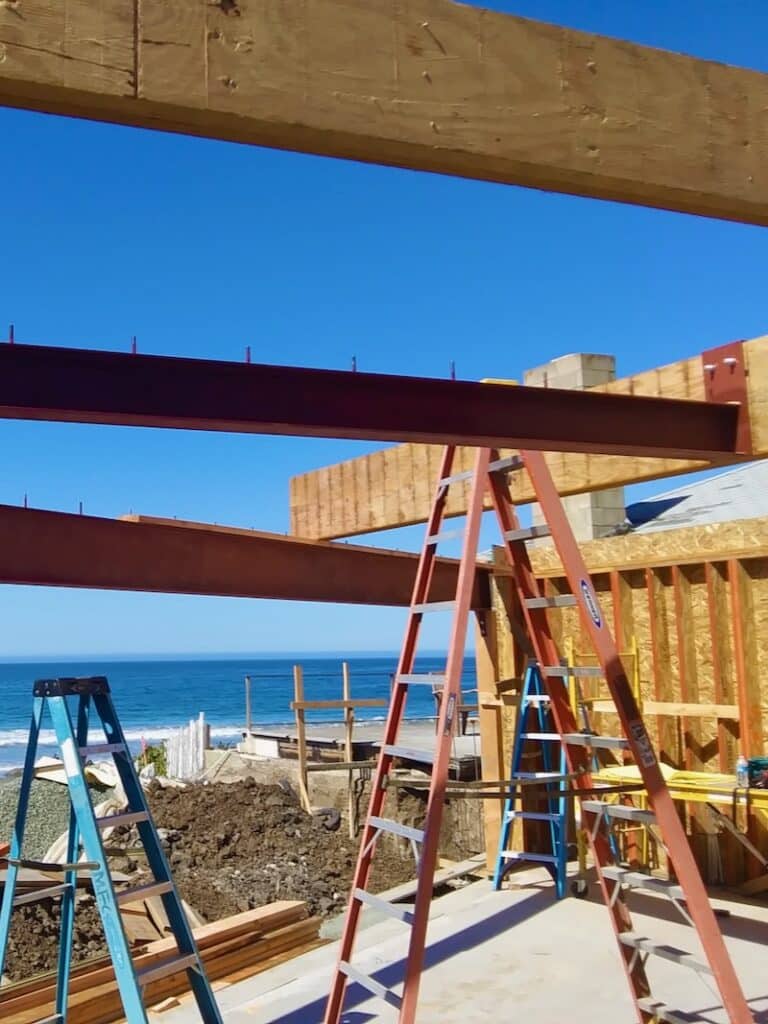
A typical structural steel package for a custom home may include:
- Wide flange beams
- Steel columns
- Tube steel posts
- Embedded steel
- Base plates
- Knife plates
- Connection plates
- Custom brackets
- Anchor bolt templates
- Miscellaneous support steel
Some projects only need one or two steel beams over a large opening. Others may require a more involved package with multiple columns, embeds, custom connections, and installation sequencing tied to concrete, framing, and inspection milestones.
The goal is not just to fabricate steel. The goal is to fabricate steel that fits the plans, arrives on time, installs efficiently, and works with the rest of the build rather than creating chaos on site.
Why Custom Homes Often Need Structural Steel
Custom homes are where architecture starts making bold requests and gravity starts pushing back.
On the Central Coast, structural steel is commonly used for:
- Great rooms with long clear spans
- Open-concept kitchen and living areas
- Large door and window openings
- Covered outdoor living spaces
- Split-level or hillside homes
- Cantilevered sections
- Modern and contemporary home designs
- Stair and landing support
- Decorative exposed steel elements with structural function
In many of these situations, steel helps reduce the number of posts or bearing walls needed while still meeting engineering requirements. It also allows more design freedom for architects and more usable space for homeowners.
If your project includes a large opening, significant load transfer, or a structural detail that needs precision, involving a structural steel contractor early usually saves time later.
What Is Typically Included in a Structural Steel Package?
Every project is different, but most custom home packages involve some combination of beams, columns, embeds, and connection hardware.
Beams
Steel beams are often used to carry roof, floor, or wall loads across wider openings than wood framing can comfortably span. In custom homes, that may mean support over a great room, a multi-panel sliding glass door, or a large covered patio opening.
Depending on the design, the beam may be concealed inside the framing or intentionally left exposed as an architectural feature.
Columns
Columns are used to transfer concentrated loads down to the foundation. These may be exposed steel columns, tube posts, or columns hidden inside walls. Proper fabrication matters here because top and bottom connections, base plates, elevations, and alignment all affect the speed and accuracy of installation.
Embeds
Embeds are steel components set into concrete so future steel members can connect to them. These are critical when steel interfaces with footings, walls, slabs, or structural concrete.
Missed or mis-located embeds can create expensive rework, field fixes, and schedule problems. That is why embed coordination should happen before concrete is placed—not after someone starts pointing fingers at the slab.
Plates, Brackets, and Connection Hardware
Custom homes often include non-standard details that require custom plates, brackets, tabs, stiffeners, and other fabricated connection pieces. These smaller components may not look dramatic in the plans, but they are often what makes the larger steel package buildable in the real world.
Why Early Coordination Matters
A structural steel package touches multiple trades. If one part of the process gets out of sync, the steel can quickly become the bottleneck.
Coordination With the Concrete Crew
Anchor bolts, embed locations, bearing surfaces, and elevations all need to be coordinated before concrete placement. If those details are off, the steel installation may require modification, rework, or engineering review.
Coordination With Framers
Framers need to understand when steel is arriving, what areas need to stay accessible, and how installation affects the framing sequence. A beam that supports framing above often needs to be installed before surrounding work can move forward.
Coordination With Inspectors
Depending on the scope, inspectors may need to review embeds, bolted connections, field welds, or other structural elements. Good documentation and clean sequencing help avoid delays during inspection.
When the steel contractor, framer, concrete crew, and builder are aligned, installations tend to go smoothly. When they are not, everyone suddenly develops strong opinions at the worst possible moment.
Shop Weld vs. Field Weld: What Builders Should Know
One of the most important planning decisions is which work happens in the shop and which work happens in the field.
Shop Welding
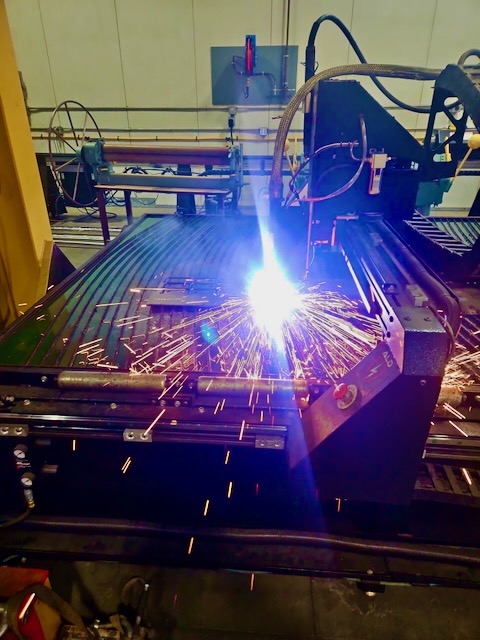
Shop welding is often preferred because it takes place in a controlled environment with better access to equipment, fit-up control, and quality checks. It can also reduce field labor and speed up installation on site.
Benefits of shop welding include:
- Better consistency
- More efficient fabrication
- Less exposure to weather
- Reduced field labor
- Faster site installation
Field Welding
Field welding is sometimes necessary due to transportation limits, site access, erection sequence, or final fit-up conditions. On some projects, steel members cannot be fully assembled in the shop because they would be too large to transport or too difficult to install as a single piece.
Field welding may make sense when:
- Member sizes exceed transport limits
- Final alignment must happen on site
- Existing conditions require adjustment
- The erection sequence demands it
The best solution is usually a practical mix of shop and field work. A steel package should be designed for fabrication efficiency and installation reality—not just what looks tidy on paper.
Bolting, Fit-Up, and Connection Planning
Not every connection needs to be field welded. In many cases, bolted connections can improve installation speed and reduce jobsite labor.
The right approach depends on:
- Engineering requirements
- Access at the connection point
- Member size and weight
- Lift sequence
- Inspection needs
- Project schedule
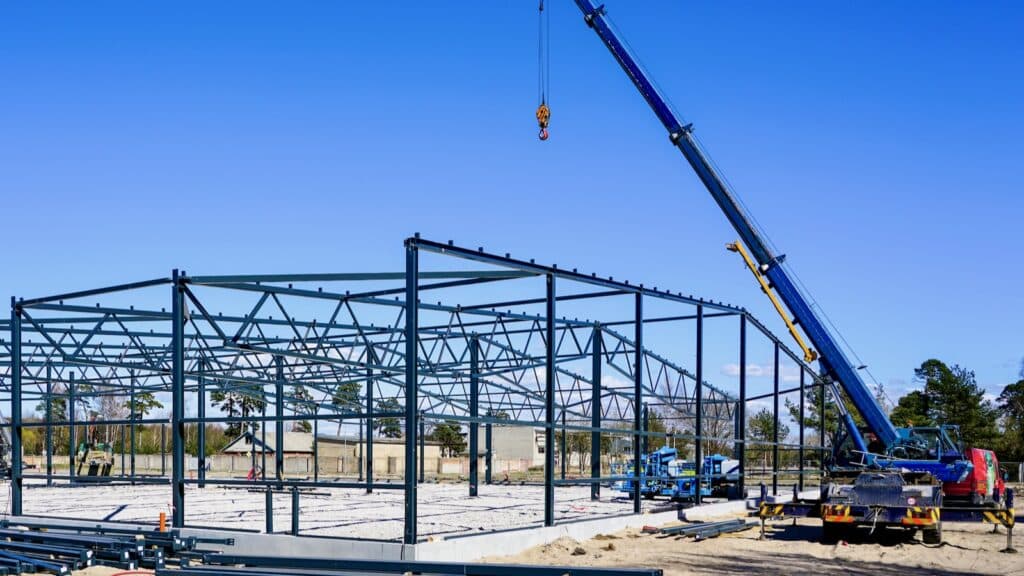
Good connection planning helps reduce surprises during erection. Builders do not want to discover on crane day that access is too tight, the sequence is backward, or a “simple” connection suddenly needs a field fix.
Crane Access and Steel Delivery Logistics
Steel fabrication is only part of the job. Delivery and installation logistics can make or break the schedule, especially on custom home sites with limited access.
Before installation, builders should think through:
- Truck access
- Site staging area
- Crane positioning
- Ground conditions
- Lift sequence
- Overhead obstructions
- Installation order
- Trade congestion on site
Tight driveways, hillside lots, neighboring structures, overhead lines, and unfinished site conditions can all complicate the install. That is why it helps to work with a fabrication contractor who understands not just how to build steel, but how to get it from the shop to its final position without turning the site into a puzzle nobody enjoys.
Shop Drawings and Submittals
Structural steel should not go into production based on assumptions.
Shop drawings and submittals help confirm that the fabricated steel matches the structural plans, dimensions, elevations, and connection requirements before fabrication begins. This is the stage where mismatches can be caught before someone cuts, drills, welds, paints, and ships the wrong thing.
Typical submittals may include:
- Shop drawings
- Member sizes and tags
- Connection details
- Base plate layouts
- Anchor bolt information
- Embed details
- Finish notes
- Installation notes where needed
Builders, engineers, and project managers should review these carefully. A rushed review at this stage can lead to expensive corrections later.
WPS, Mill Certs, and Documentation
On structural steel work, documentation matters.
A Welding Procedure Specification, or WPS, helps define how welding is to be performed for a given application. On structural projects, that kind of documentation supports consistency, quality, and compliance with project requirements.
Mill certifications, often called mill certs, help verify the grade and specifications of the material used for fabrication. Depending on the project, these may be required by the engineer, inspector, builder, or owner.
For builders, this is not just paperwork. It is part of keeping the project moving and giving the inspection team confidence that the structural steel package aligns with the plans and specifications.
Common Problems That Delay Structural Steel on Custom Homes
Most steel-related delays are not caused by the steel itself. They come from coordination gaps.
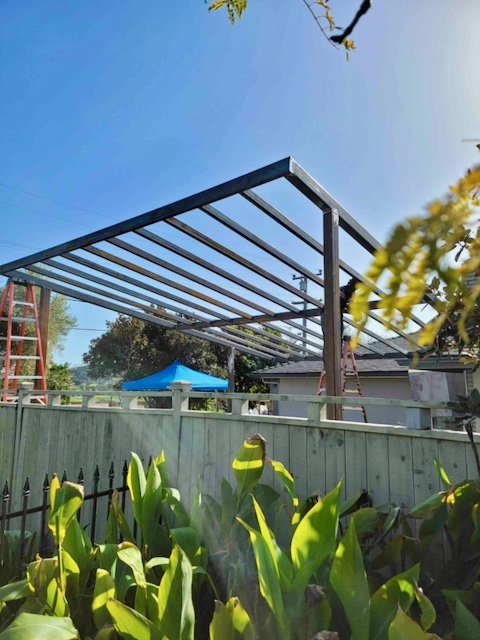
Common trouble spots include:
Incomplete Plans
Custom homes evolve. That is normal. But late changes to spans, openings, connection conditions, or elevations can affect fabrication timing and fit.
Missed Embed Coordination
If embeds or anchor locations are not coordinated before concrete placement, the resulting fixes are rarely fun, cheap, or fast.
Site Access Problems
The steel may be ready, but if staging, crane access, or lift planning is weak, installation can still stall.
Trade Misalignment
If the framer, concrete crew, steel contractor, and superintendent are not working from the same plan and sequence, delays tend to multiply.
Last-Minute Field Changes
Unexpected site conditions, dimensional changes, or framing conflicts can force field modifications that affect schedule, inspection, and finish quality.
A good structural steel contractor helps reduce these problems by asking the right questions early and building a package that works both on paper and on the jobsite.
What Builders Should Send for Faster Pricing
If you want a structural steel package priced more efficiently, send as much of the following as possible:
- Structural plans
- Relevant architectural sheets
- Foundation or concrete details
- Beam and column locations
- Embed or anchor information
- Desired project schedule
- Site access notes
- Finish requirements
- Engineer contact information if needed for coordination
The more complete the information, the easier it is to price the job accurately and spot potential issues before fabrication begins.
Who This Service Is Best For
J&M Welding works with:
- General contractors
- Custom home builders
- Owner-builders
- Design-build teams
- Architects coordinating custom structural details
- Property owners with engineered residential steel requirements
If your project includes steel beams, columns, embeds, custom supports, or field coordination for a new custom home, getting the steel contractor involved early can save time, avoid rework, and improve installation flow.
Structural Welding and Steel Fabrication in Paso Robles and San Luis Obispo County
J&M Welding provides structural welding, steel fabrication, and installation support for projects throughout Paso Robles, San Luis Obispo County, and the Central Coast. J&M’s site also highlights related services including Metal Fabrication, Mobile Welding, and other fabrication-driven work, which gives this article natural internal-link paths to relevant service pages and supporting blog content.
Whether your project includes structural steel beams for a custom home, steel columns, embeds, custom brackets, or coordinated field installation, our team understands the importance of getting the details right from the shop to the site.
If you are looking for structural welding in Paso Robles or a steel fabrication contractor in San Luis Obispo County, J&M Welding is ready to help you plan, fabricate, and coordinate your next project.