



When welding happens on your jobsite, you’re temporarily running a hot-work operation with elevated risks—fire, fumes, electrical hazards, and confined-space concerns. As a business owner, you don’t have to be a safety engineer, but you are responsible for hiring competent contractors, documenting compliance, and protecting people and property. Here’s a practical guide to what matters most.
Overview of Welding Safety Standards and Regulations
- Safety frameworks to know: Industry follows widely adopted standards such as ANSI/Z49.1 (Safety in Welding, Cutting, and Allied Processes), NFPA 51B (Hot Work), and applicable AWS codes for workmanship and inspection.
- Employer obligations: OSHA/Cal/OSHA require hazard assessments, PPE, ventilation, fire prevention, and training. When welding is part of construction, additional construction-specific rules apply.
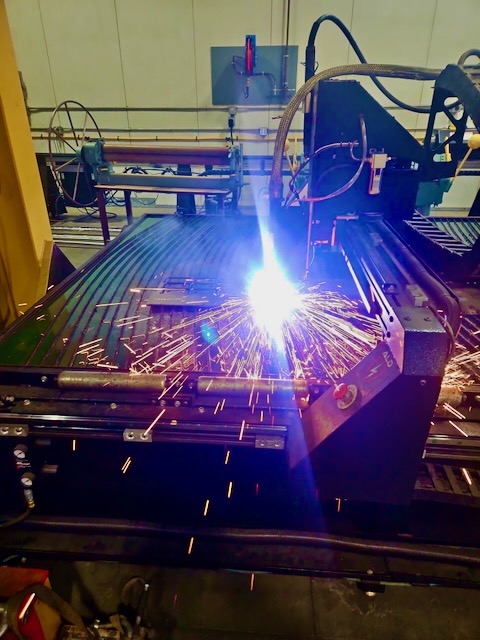
- Hot work controls: Expect a hot-work permit, a fire watch, and housekeeping/combustible-control measures before the first arc is struck.
Business Owner Liability Considerations
- Controlling employer: If work occurs on your premises, you may be considered a controlling or host employer—meaning you must verify safe conditions and coordinate safety with contractors.
- Contractual risk transfer: Use written agreements that require adherence to safety standards, proof of insurance, and indemnification clauses.
- Documentation equals defense: If an incident occurs, your best protection is clear evidence that you vetted the contractor, reviewed the plan, and enforced site rules.
Importance of Working with Certified Welders
- Skill + accountability: Certified welders demonstrate knowledge of specific processes and positions, and certified procedures (WPS/PQR) ensure repeatable quality.
- Inspection readiness: For structural, pressure, food-grade, or sanitary work, certification helps satisfy engineer, AHJ, and insurer requirements.
- Local advantage: Choosing Paso Robles welding professionals familiar with regional industries (wineries, agriculture, commercial TI) reduces rework and delays.
Documentation and Compliance Requirements
Ask your welding contractor for:
- Written Hot-Work Plan (permit, fire watch, isolation steps)
- WPS/PQR (Welding Procedure Specification/Procedure Qualification Record) when applicable
- Welder certs and continuity logs
- JHA/JSA (Job Hazard Analysis/Job Safety Analysis) and site-specific safety plan
- Ventilation & fume-control method (local exhaust, respirators if needed)
- Confined-space & lockout/tagout procedures when relevant
- Material traceability/MTRs for critical components
Keep copies with your project file.
Insurance Considerations for Welding Projects
- Certificates of Insurance: Require General Liability, Workers’ Comp, and (for mobile/rigging) Auto and Inland Marine.
- Endorsements: Additional insured status, primary & non-contributory wording, and waiver of subrogation protect your policy.
- Limits: Ensure policy limits match project risk (higher for structural or occupied facilities).
- Claims history: Ask about loss runs or safety performance indicators.
How to Verify a Welding Contractor’s Safety Record
- References & portfolio: Confirm similar projects—materials, environment, and constraints.
- Safety metrics: TRIR, EMR, or a simple record of incidents/near misses if they’re a smaller shop.
- Program maturity: Do they conduct toolbox talks, pre-task plans, and documented inspections?
- Third-party vetting: For larger jobs, consider prequalification services or request an internal safety audit checklist.
Creating a Safe Environment for Welding Projects
- Pre-job walk: Identify combustibles, ventilation, egress, and equipment paths.
- Isolation: Move or shield combustibles; use fire-retardant blankets and barriers.
- Fire watch: Assign trained personnel with extinguishers during work and for a cool-down period afterward.
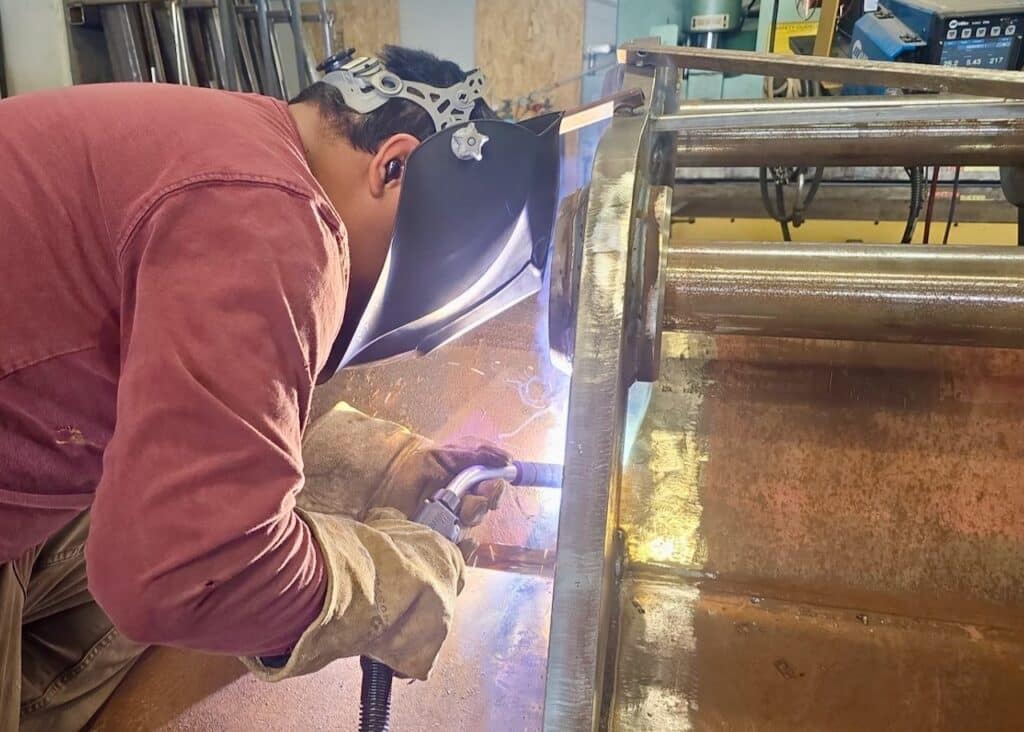
- Ventilation: Use local exhaust and airflow management to control fumes—especially indoors or in tanks/cellars.
- Coordination: Align schedules so other trades don’t create conflicting hazards (e.g., solvent use near hot work).
- Communication: Daily huddles and a single point of contact prevent surprises.
The Bottom Line
Choosing the right partner for commercial welding services means fewer safety risks, cleaner inspections, and on-time delivery. Vet certifications, insist on documentation, confirm insurance, and create a site where safe work is possible.
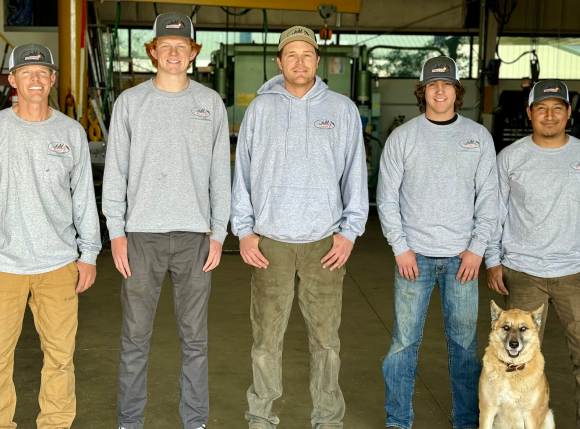
If you need a reliable local partner, consider J&M Welding Inc.—a Paso Robles team experienced with commercial, winery, and agricultural projects, offering shop and mobile solutions with a safety-first approach.